Art-making
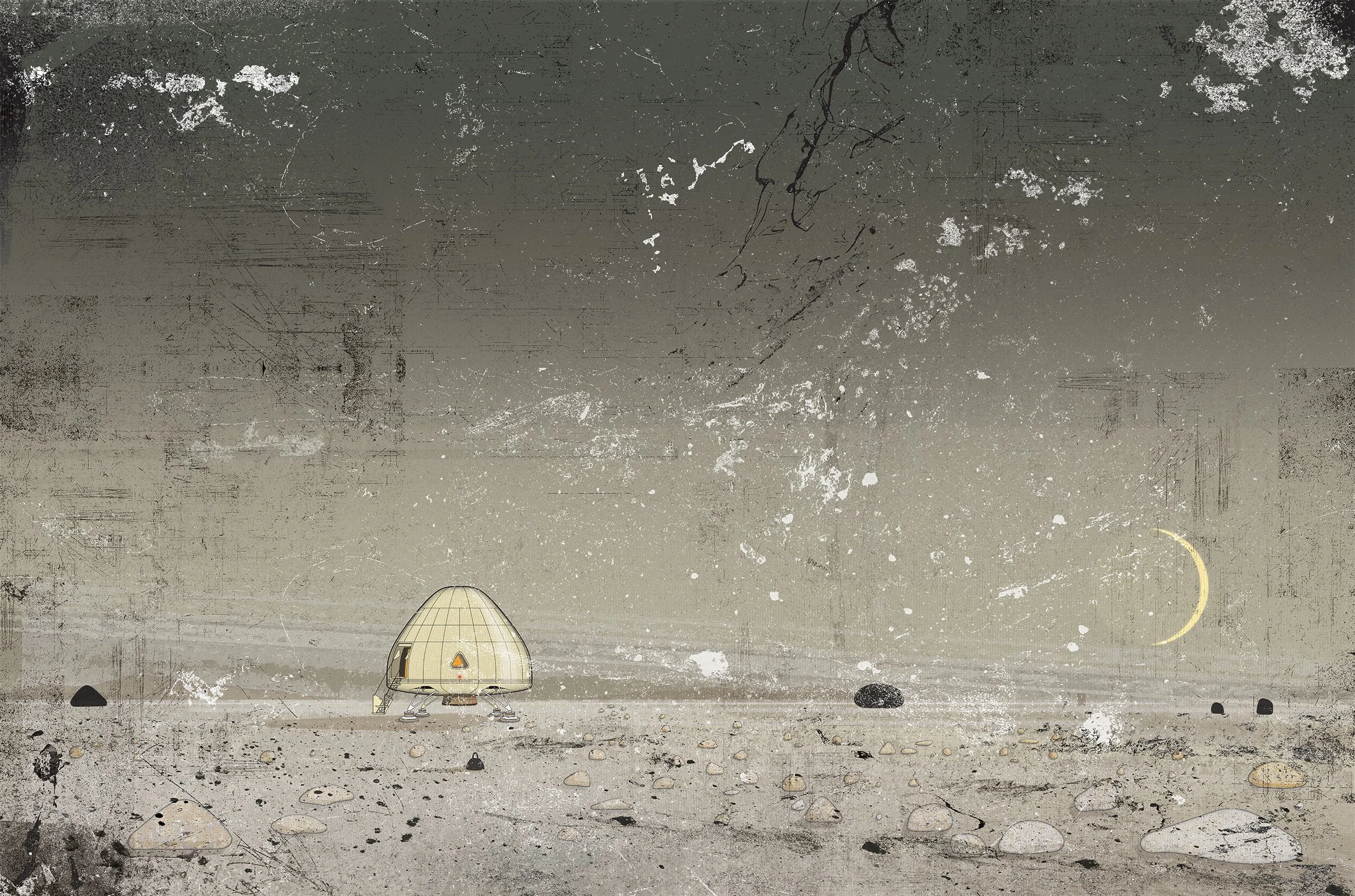
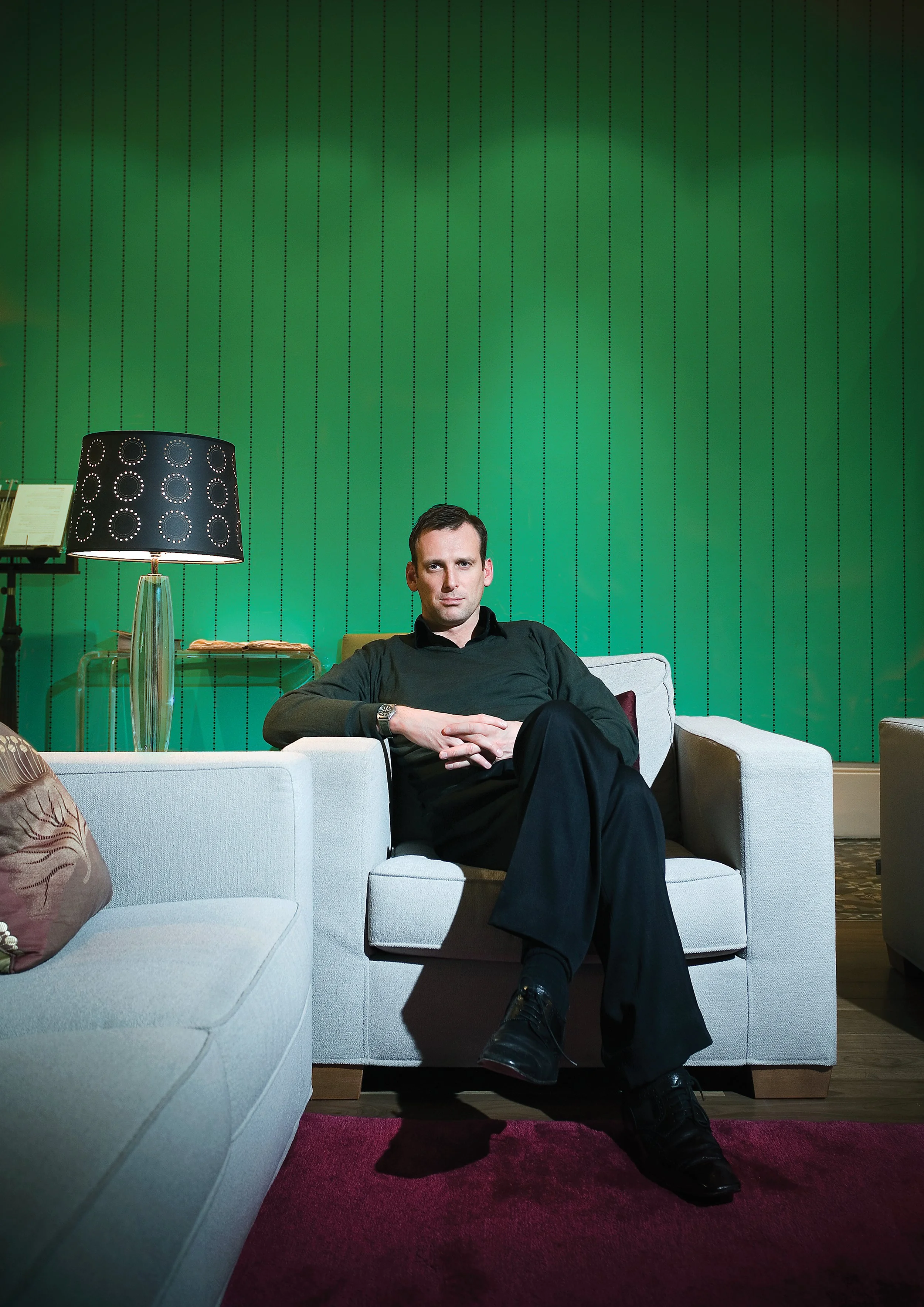
As a designer Stephen has a multi-disciplinary approach that combines art-making, architecture, landscape and product design. The output is a meeting of aesthetics, technologies, making spaces and story-telling.
Stephen is interested in the situations and environments that are fundamental to us. His architectural practice influenced this considerably, leading to art-making that often has a sense of place, sometimes physical and quite often spiritual.
His work is expressed through projects that look at our human qualities; spirituality, playfulness, frailty, power, wisdom and just how complicated we are. Sometimes the art is simply an appreciation of things around us, like lilies in a garden, though often there is more than what meets the eye.
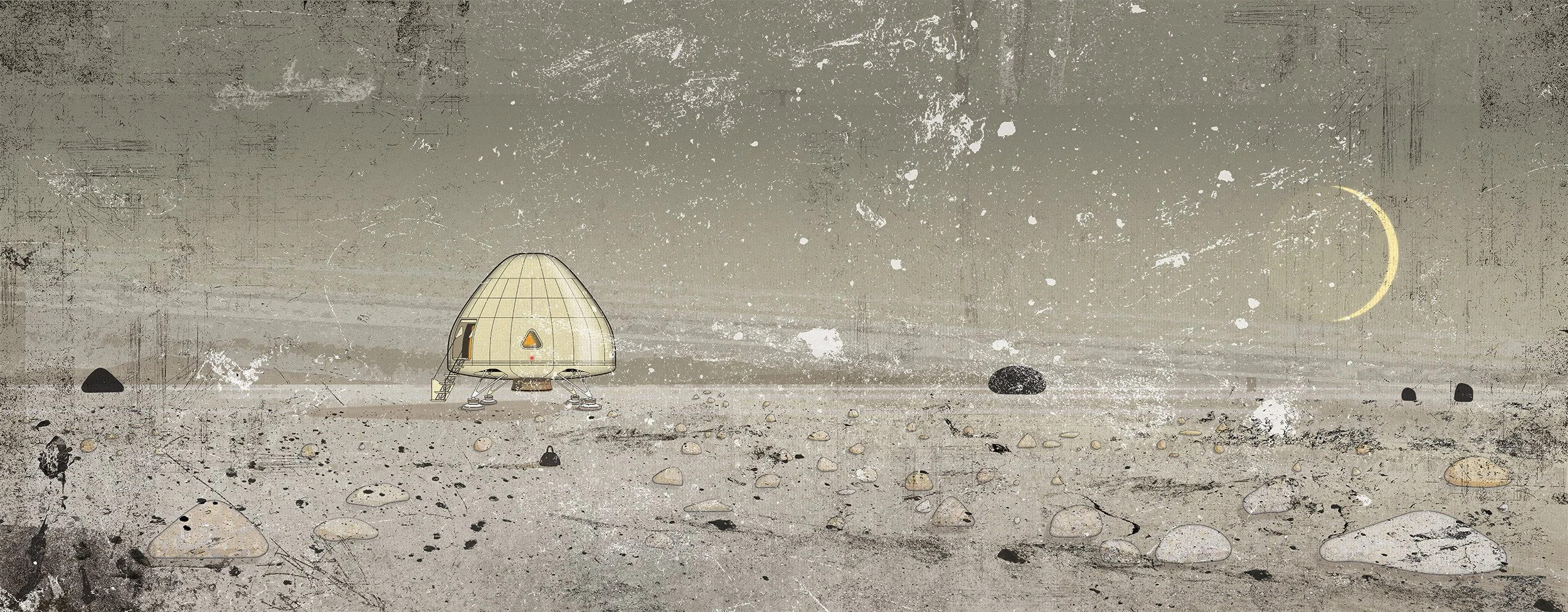
Our collective world is a complicated place; a place of extremes, great sadnesses and struggles, but with amazing human achievements and happiness.
Art-making is about shining a light upon how we might start to understand how and why we are in our world.
A visual language
The artworks are a type of evolving ‘art language’ of colours and textures, objects and patterns, sometimes recognisable, sometimes not. Sometimes they’re influenced by artists, places and memories; and often by something unknown.
The ‘art language’ starts a conversation, like a type of grammar, that invites a viewer to get involved by becoming part of the artwork’s story. This might be a personal, private moment between the viewer and the art. In a way, and after a point, perhaps the artist hasn’t got much to do with it.
Mixed media
Stephen deliberately mixes traditional and evolving methods and technologies. Our ways of making things are continuously developing and art-making is an integral way to reflect this. Stephen works with a varied media including watercolour, acrylic, oils, solar plate printing, intaglio etching, photography, laser printing, image transfer, hand drawing, digital drawing and various types of digital painting. His art is formalised using painted canvas, traditional intaglio printing and planographic archival digital printing processes.
The formative years
The summer holidays during school were often spent travelling with my mother and brothers in a Volkswagen Beetle to visit my grandfather. He would spend his every spare moment making art, usually oil pastel pictures of fields and flowers, bluebells in spring, in vivid arrays of blues, crimsons and pinks, and nearly always on black paper. I would watch him create through his cigarette smoke. The paintings would line his living room walls. And my mother would paint too; grand sea cliffs and cathedral scenes with misty watercolours. And I was entranced by some of the ephemeral watercolours of an Irish painter, Mildred Anne Butler, who would focus on the nature that surrounded her. I began to make pilgrimages to the galleries of London and Dublin.
At the same time as I was making my own art I developed a keen interest in flying machines, an interest inherited from my father. The science of aviation began to intertwine with art; a combination of technology and the ephemeral. This initially unnatural combination was eventually explored through my architectural education in the UK where the technologies of construction were mixed with the philosophies of the arts and aesthetics. Architectural projects at university were always accompanied by paintings.
Aesthetics & Function
The works of Yves Klein confirmed that art making, for me, was at the junction between aesthetics and making space. I explored the monochromes of Klein, the powerful colours of Joan Mitchell and the deep voids made by Rothko.
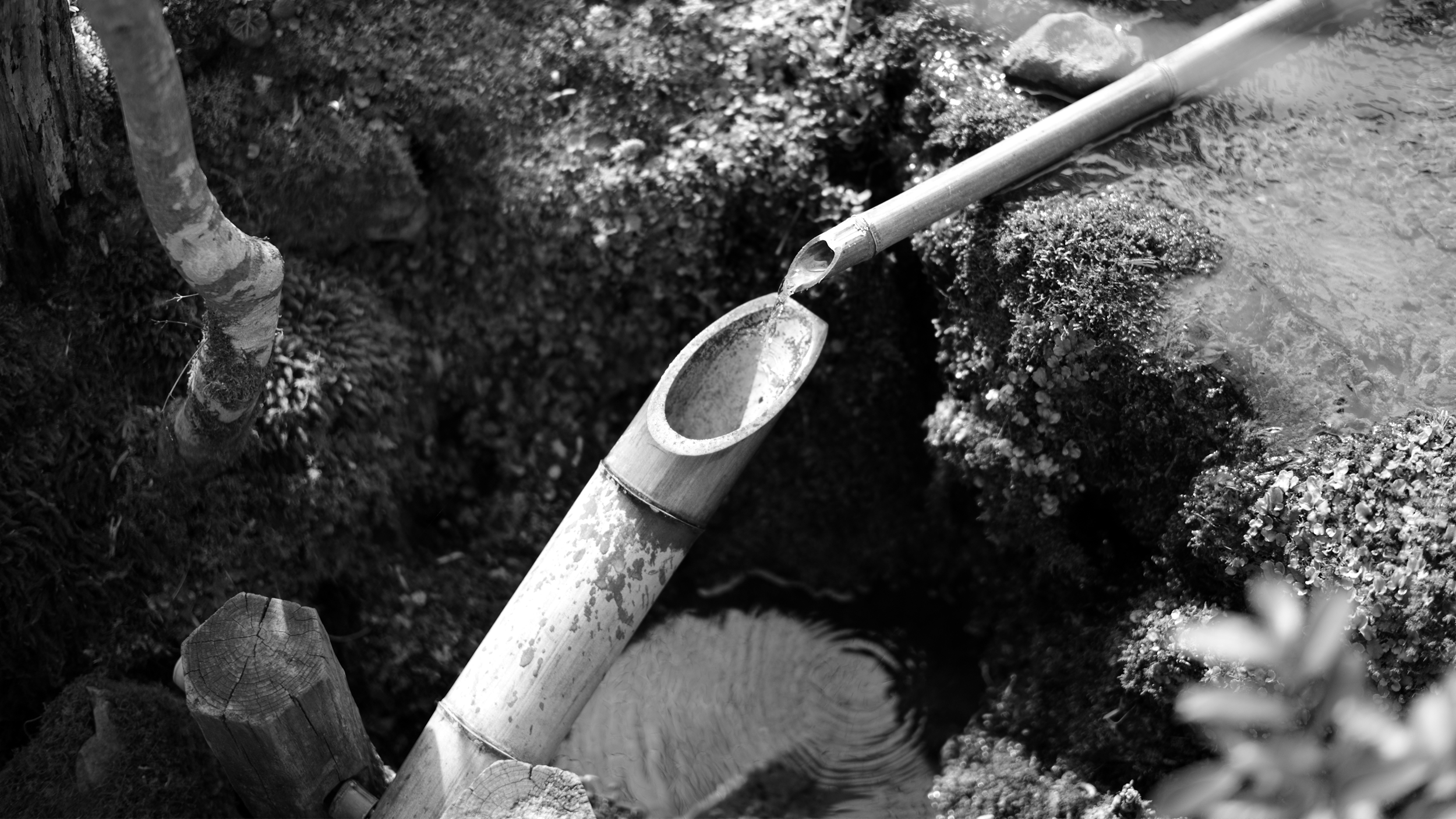
Then a major revelation took place when I discovered the often timeless aesthetic of the Japanese arts and architecture, which were for me light years ahead of anything I had learned. I flew from London and arrived in Tokyo on a rainy night, the city ablaze with light, reflections and people who I didn’t understand. I returned on numerous occasions making repeated visits on the Bullet Train to Kyoto and ultimately on to the southern tip of Japan a thousand miles away. There on the small island of Taketomi, situated in an expansive seascape, and with its star shaped sands, were houses that had stood for hundreds of years, vulnerable yet strong in the face of typhoons. For me this experience was a new beginning, something I called zero.
Bio
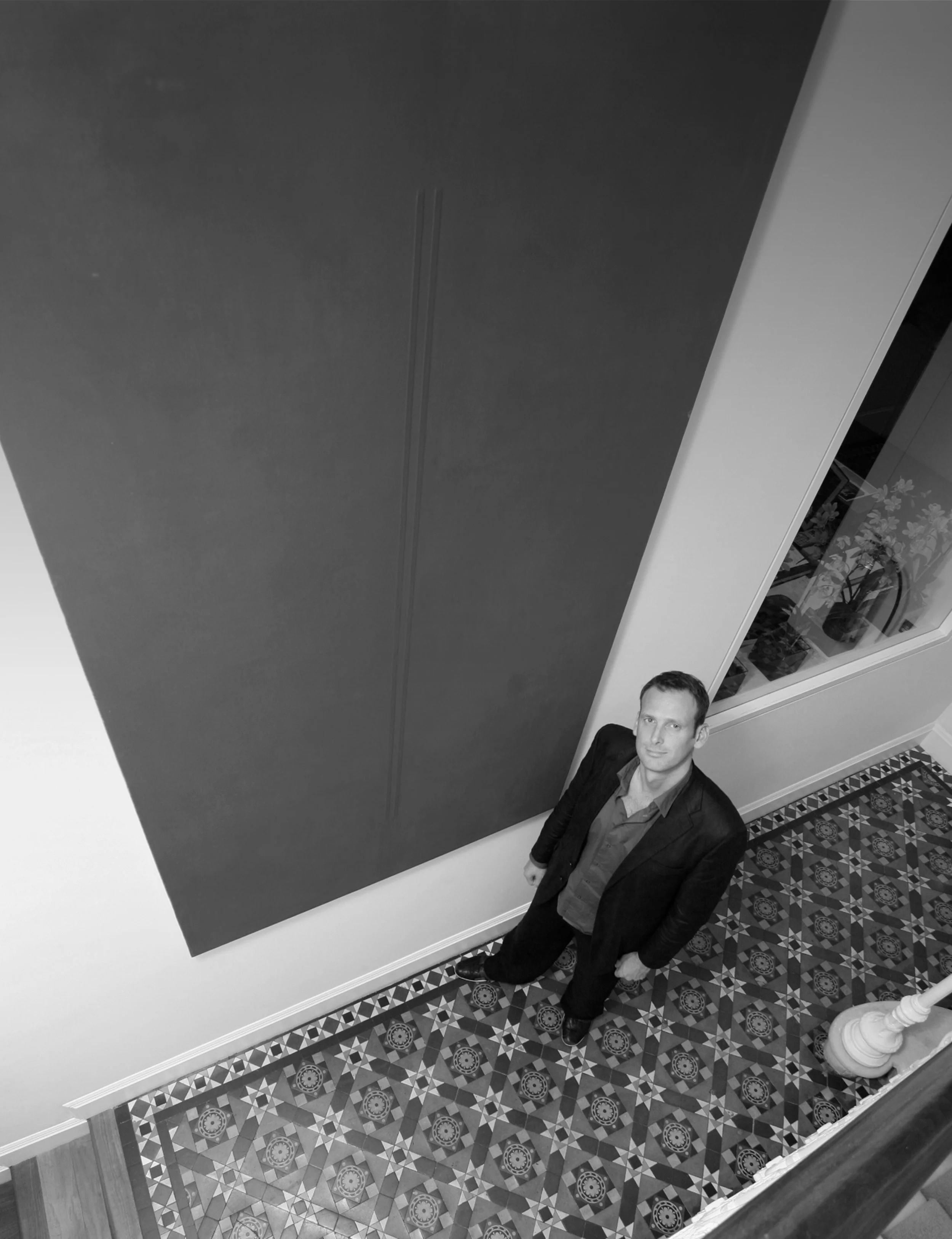
Stephen studied architecture at Plymouth University, England, and has worked throughout London, the UK and globally. His art formed an integral part of his studies and has since become part of his architectural philosophy. His architecture covers many sectors from bespoke specialist designs to extensive social housing and estate regeneration with a mission to create better environments for people. He lives and works in London, England.
Education
1989: BA Architecture
1992: Diploma Architecture
Dissertation: Yves Klein and Daniel Libeskind
SoloExhibitions
2026: To be confirmed
2011: Gallery 54 London
2009: Gallery 54, London
2006: ZiZi Gallery London
2006: Rockwell Hotel, London.
Group Exhibitions
1992: Presidents Silver Medals; Royal Institute of British Architects
1993: Royal Academy Summer Exhibition, London. Collaboration with Dominic Williams.
Selected Private Collections
Stephens work is owned in private collections held by individuals, property portfolios and businesses within the UK and internationally including Dubai, Germany, USA and New Zealand.
2018: Broadway Malyan, London. Infinity
2014: Michael Squire, London; Urban Forest
2008: Grafton Advisors; Saville Row, London; Angels
2008: Squire and Partners Architects, London; The Dance of Sybarus
VisitingArtist / Lecturer / Critic
2013 A life in Art & Architecture
University for the Creative Arts, Canterbury, UK
2019 Architecture Summer programme critic
University of Leicester, UK
SelectedPublications
2007 Real London
An Artist’s view of London; Random House
2011 Architects Sketchbooks
Will Jones; Thames & Hudson
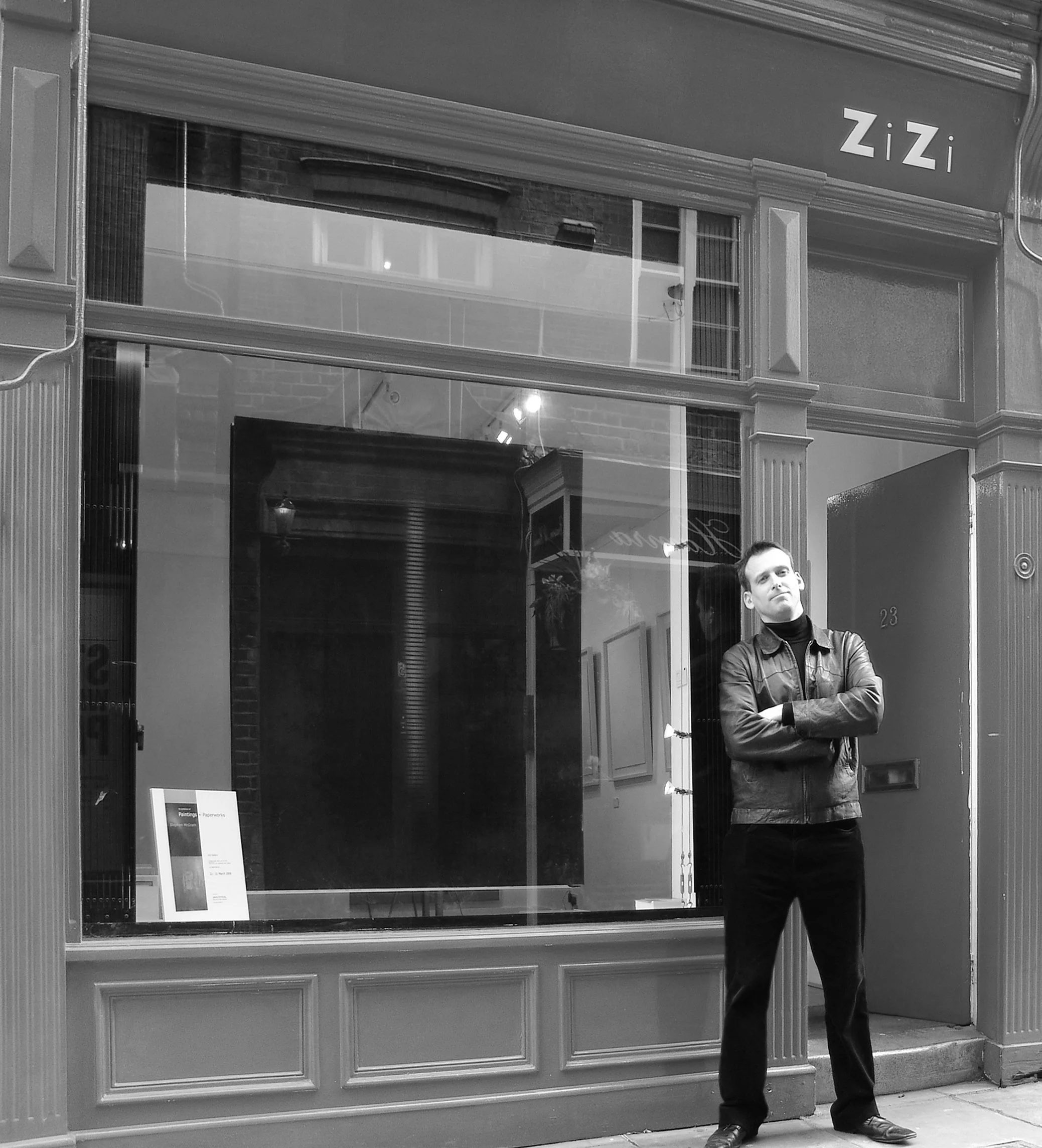
ZiZi London 2006
Copyright
All artworks contained within this website are the sole copyright of the artist, Stephen McGrath. Works cannot be reproduced without the written permission of the artist. This notice serves as a public statement of intent to protect the work and prevent others from copying, distributing, or adapting it without permission. Copyright law is applied in accordance with the laws of the United Kingdom.