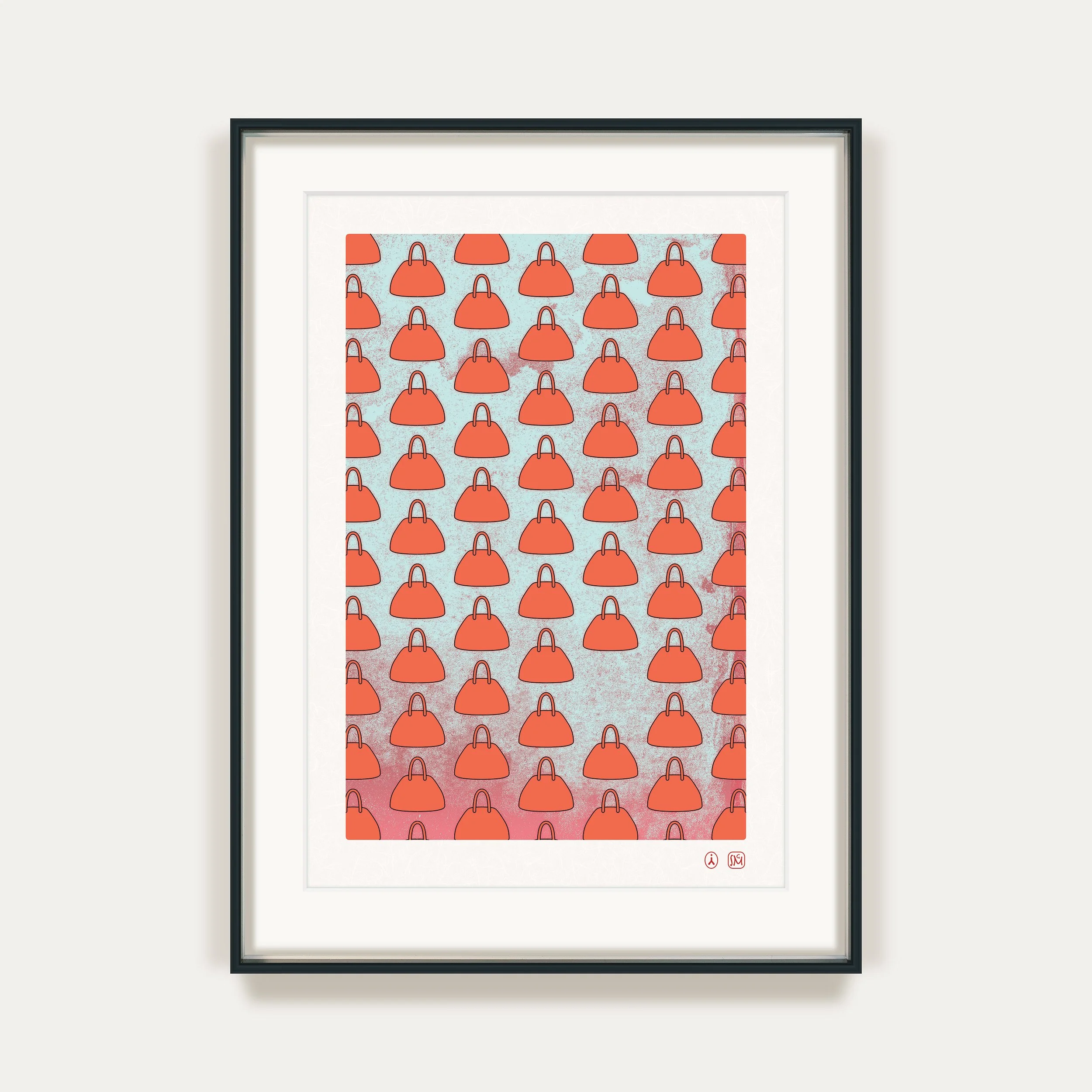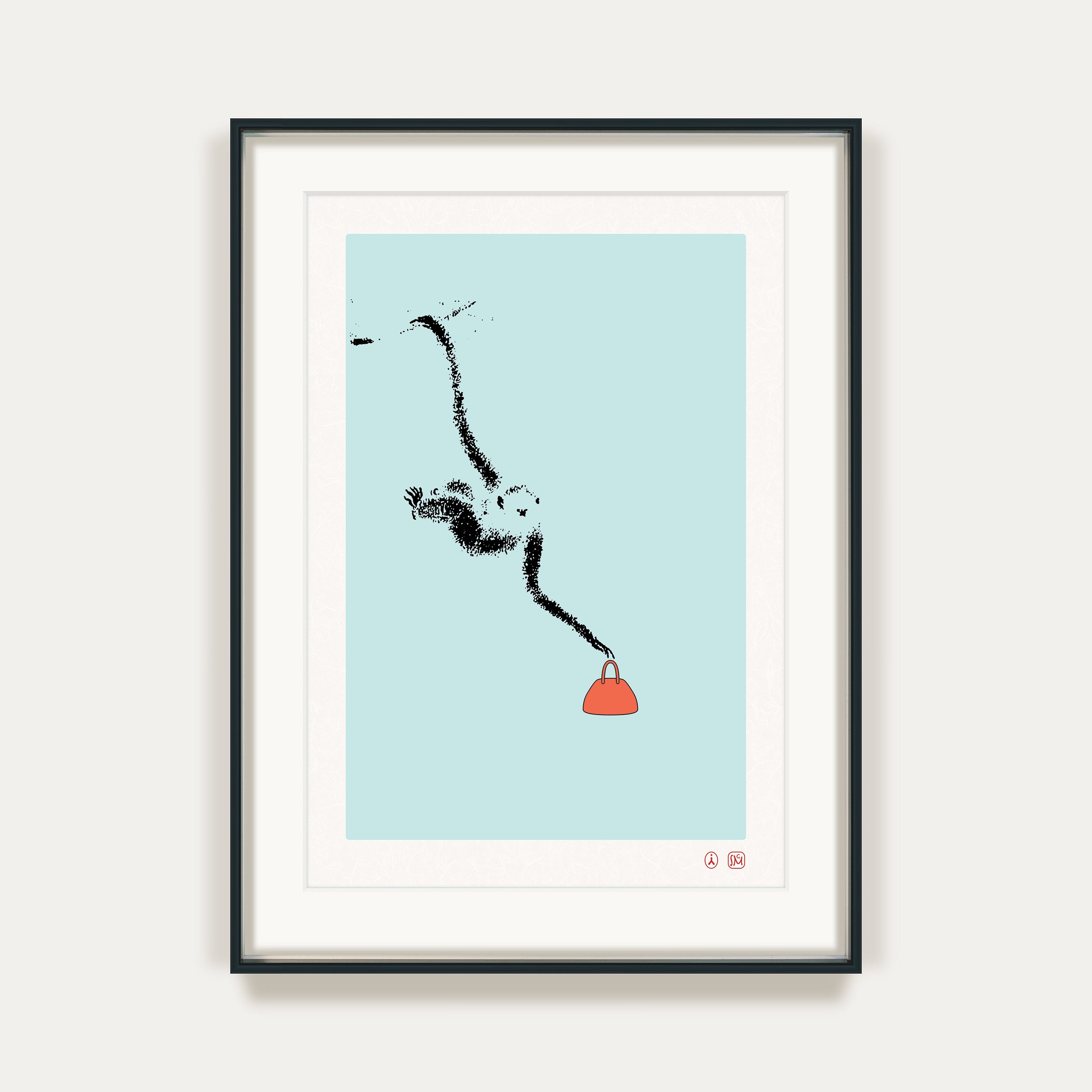
De Chirico’s Handbag

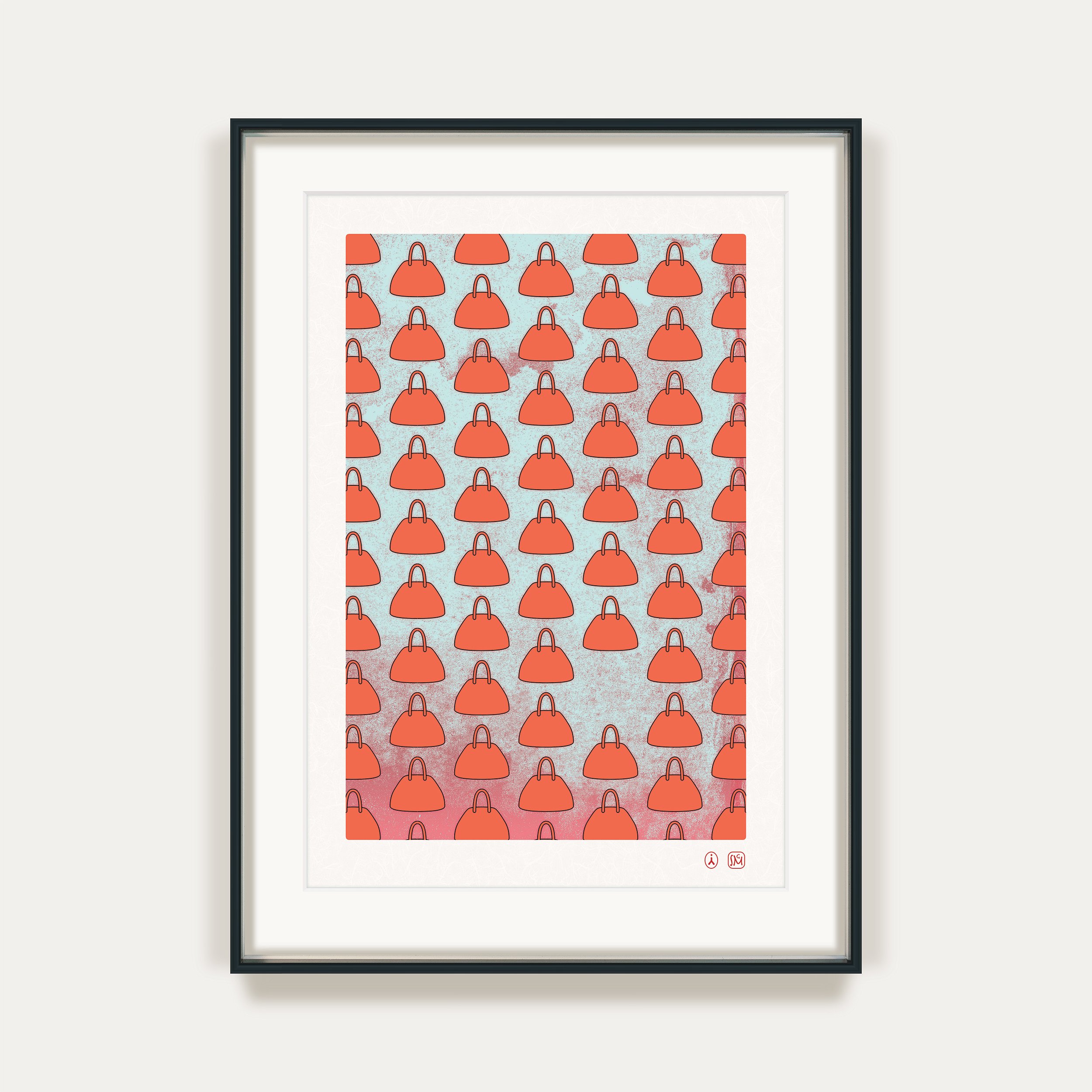
Once upon a time humans lived here and there are things they left behind. Georgio De Chirico’s paintings focussed on the power of memory through objects, often using shadows and empty spaces to show the passing of time.
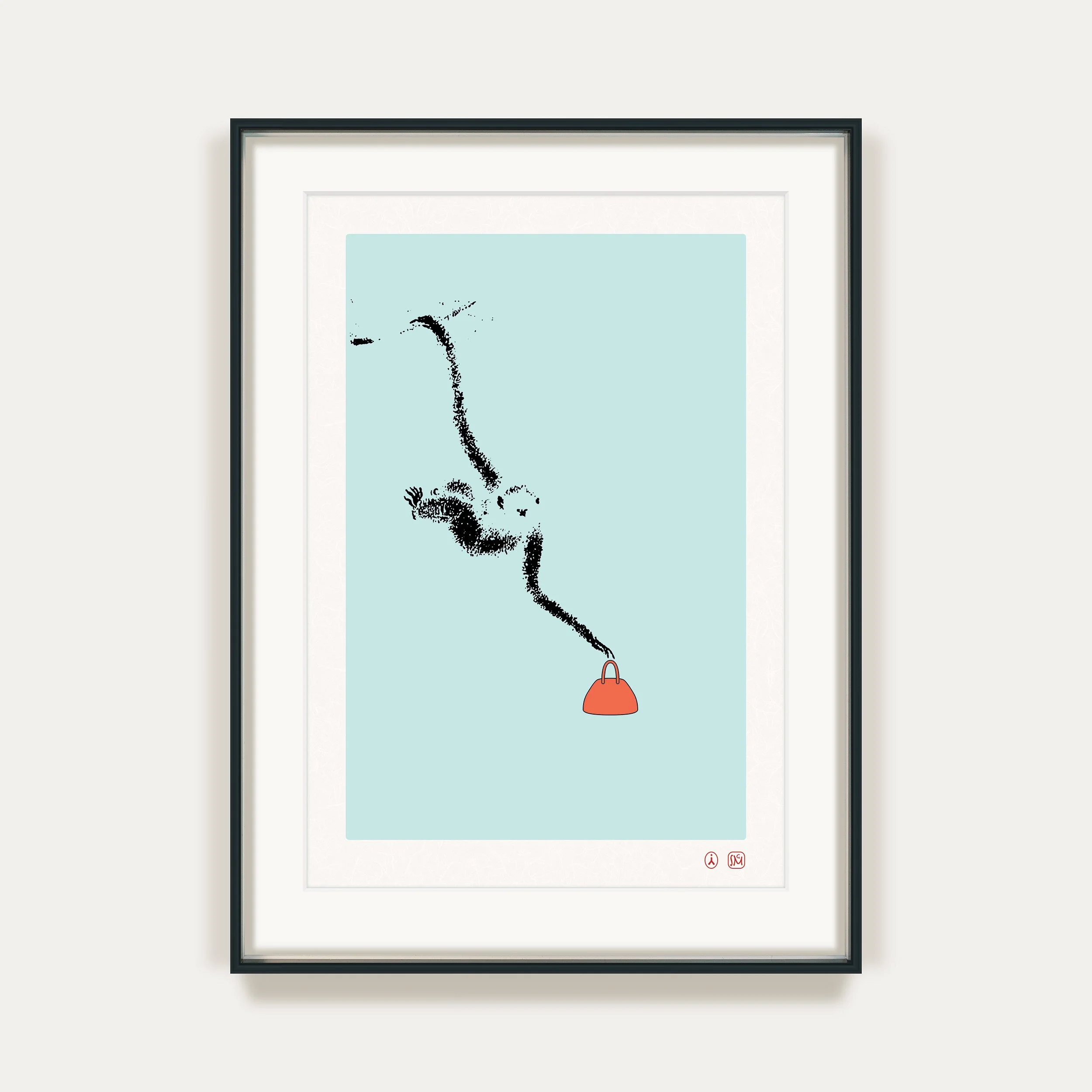
Since the beginning we’ve used bags to carry our everyday objects. A lot has happened over the past 500 years, let alone millennia. What would Tohaku’s monkey, from the 16th Century, find in a handbag today? A mobile telephone, some chewing gum and a note book maybe? And why the monkey? Is nature still more powerful, and still more dignified, than humanity? Shouldn’t humanity be trying harder to sort out what we leave behind us in the ‘bag for the future’? Will it be positive? Earth’s next beings don’t have much of a choice; they’re either very young or not made yet. So what should we put in the bag; what sort of bag is it, and would its contents be useful?
Nature is watching us; the bag contains our past. Tohaku’s monkey might steal it, and after discovering its contents they’ll probably have the last word.