Madame JoJo

Charing Cross might be the geographical centre of London, but for me the centre is Soho. Fitzroy Square, where I lived when I came to the city, was gentrified and quiet. Soho was noisy, gritty and 'open late'. I thought this was the stuff of proper cities and it suited me. Living in the centre I always travelled on foot. I would visit the Troy Bar in Hanway Street on my way south then, after crossing Oxford Street, I would enter the Soho 'quarter' - that heady grid of dense, lower rise streets. For me it was always night-time in Soho.
Deep in the heart of Soho, on Brewer Street, was Madame Jojo’s, an all-night club with a focus for burlesque, social experimentation, dancing and discussion. The entrance was small and in some ways unassuming during the day. At night it was ablaze with warm red light. The doorway was flanked by two luxuriously decorated panels, designs in the Japanese fashion created by Florence Broadhurst in Australia, depicting a pattern of exotic birds gyrating on a crimson background. Madame JoJo’s design embodied East meets West.
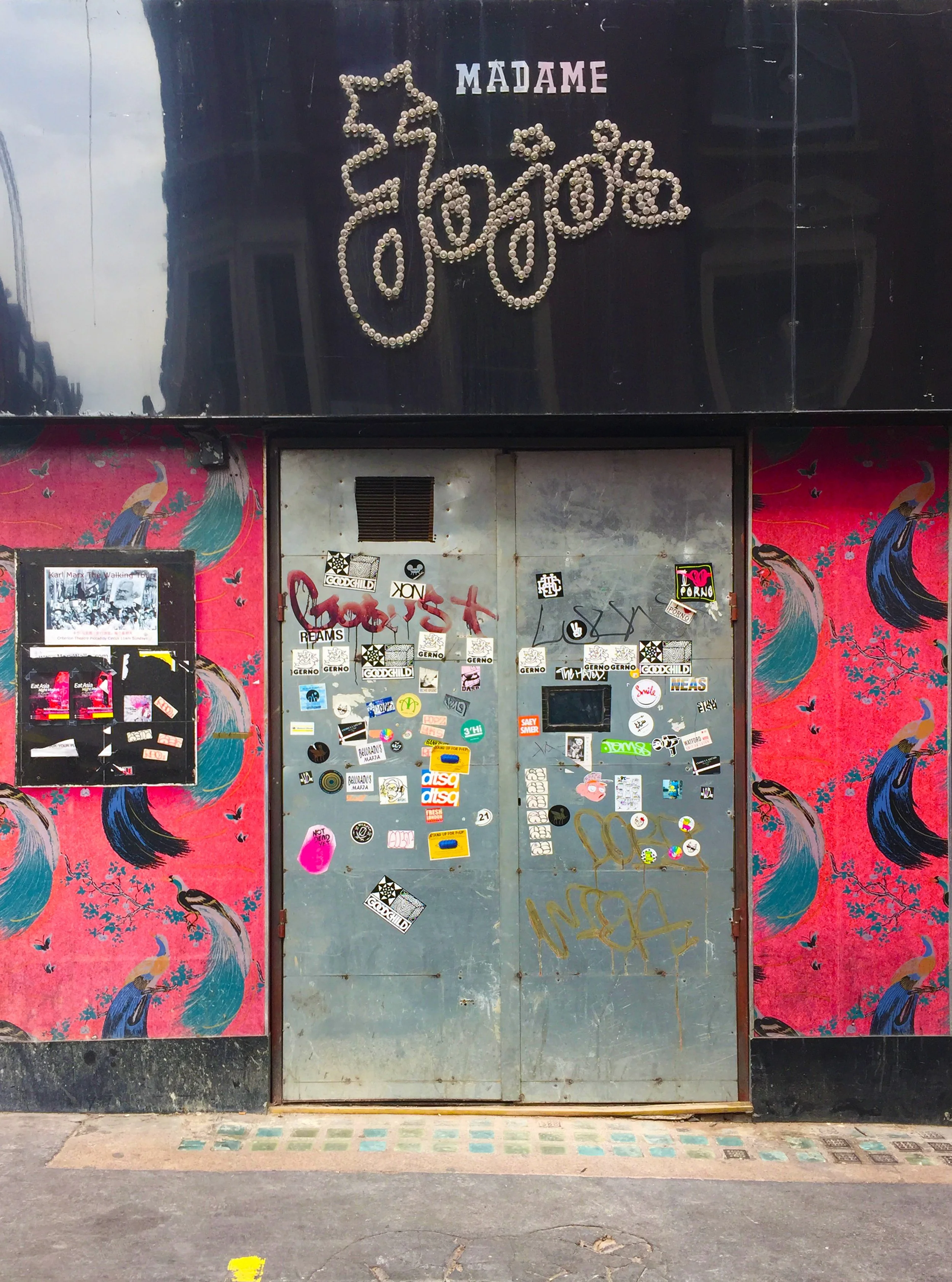
In 2016 I was invited to write about Soho for a London magazine. On doing this I decided to make a series of city walks through the Soho quarter, taking in the cafes, the streets, the people and the sites and sounds. I walked along Brewer Street and stopped at Madame Jojo’s. It was 11am. The street was quiet and the club had finally closed its doors for good. The printed patterns were still in place although the entrance was boarded up with metal panels covered with stickers when I took this photograph. A year later the place existed no longer, a layer of Soho rubbed out.
The idea that a city contains places where architecture and people intertwine through memories while looking forwards to the future is a powerful one. Interesting cities can metamorphose in imaginative ways. I had always enjoyed how Madame Jojo’s showed its face to the street using those voluptuous patterned panels of art. They captured the essence of the place.
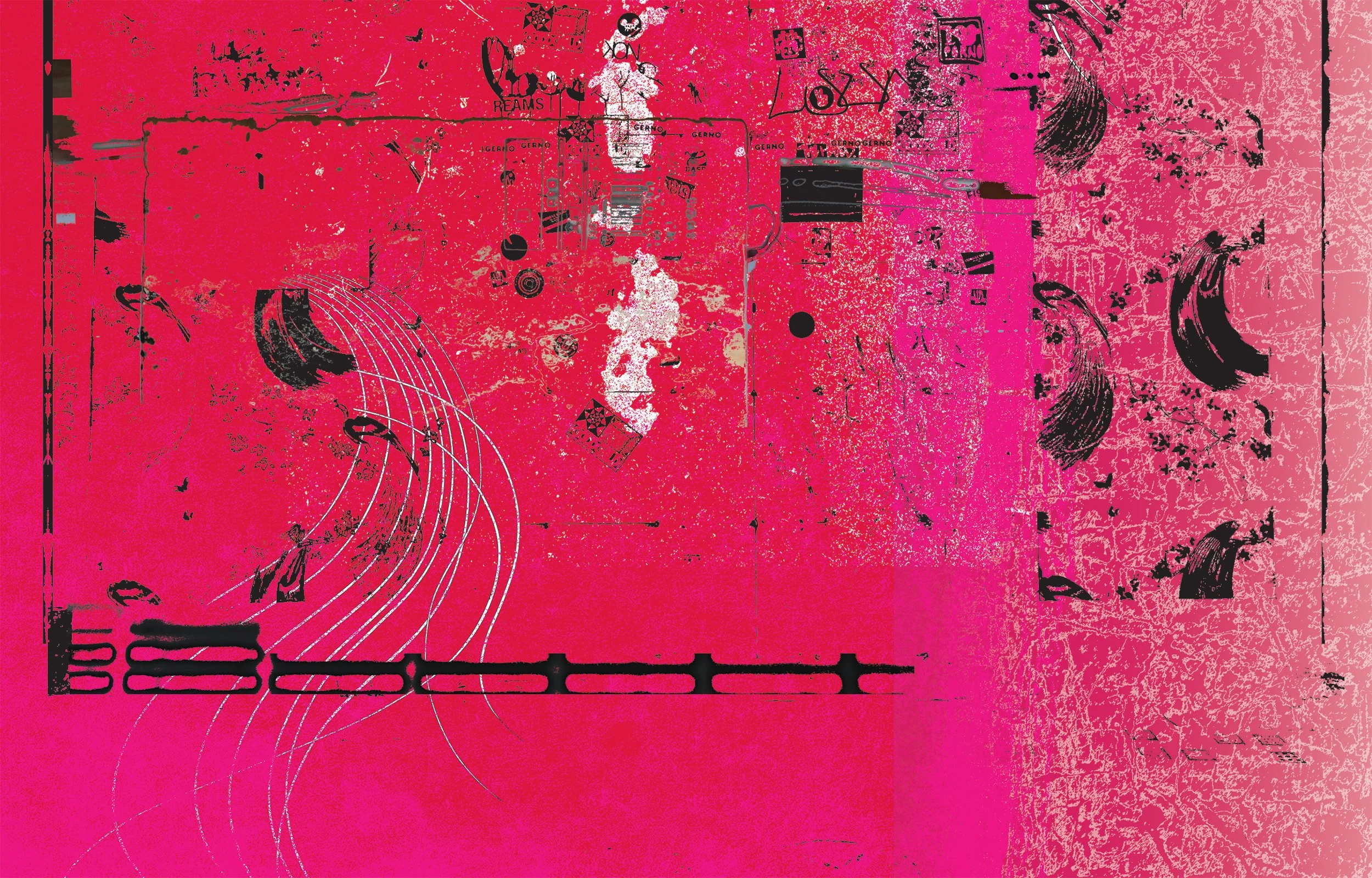
Now in 2026, these ongoing artworks, partly inspired by Florence Broadhurst, are a tribute to the memories of past nights; the night time red, warmth, patterns, dancing and people. The patterns in the paintings record the markings of graffiti and the rhythm of dancers; the intent is to make art with textures and memories of the city; art that’s in tune with the sense of a place.
Stephen McGrath
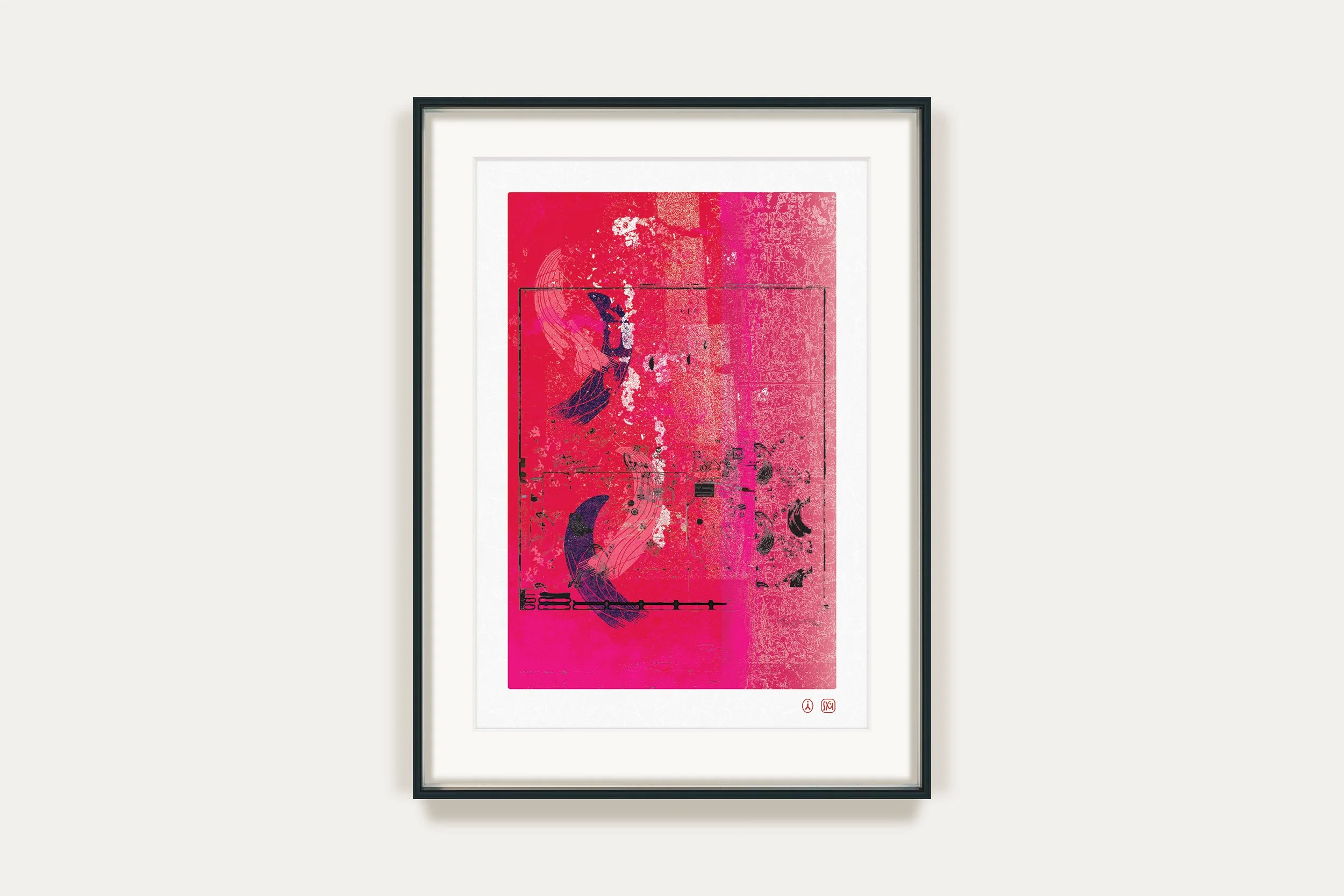
Madame Jojo danse burlesque 2026
Archival original pigment print on Japanese Awagami Unryu paper
Artwork 22 x 33 cm ( paper 29.7 x 42 cm )
Stephen McGrath
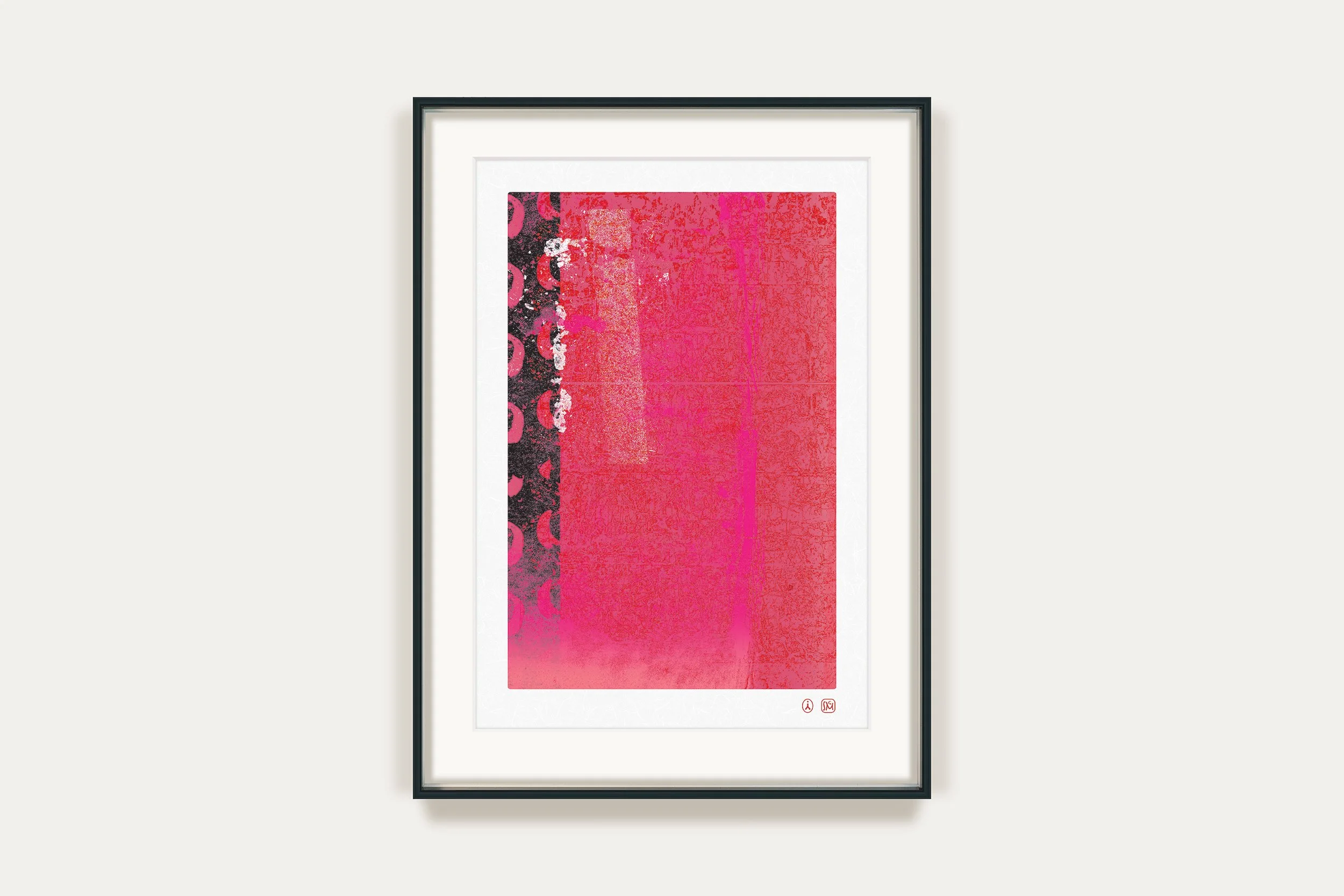
Madame Jojo Pink Velvet 2026
Archival original pigment print on Japanese Awagami Unryu paper
Artwork 22 x 33 cm ( paper 29.7 x 42 cm )
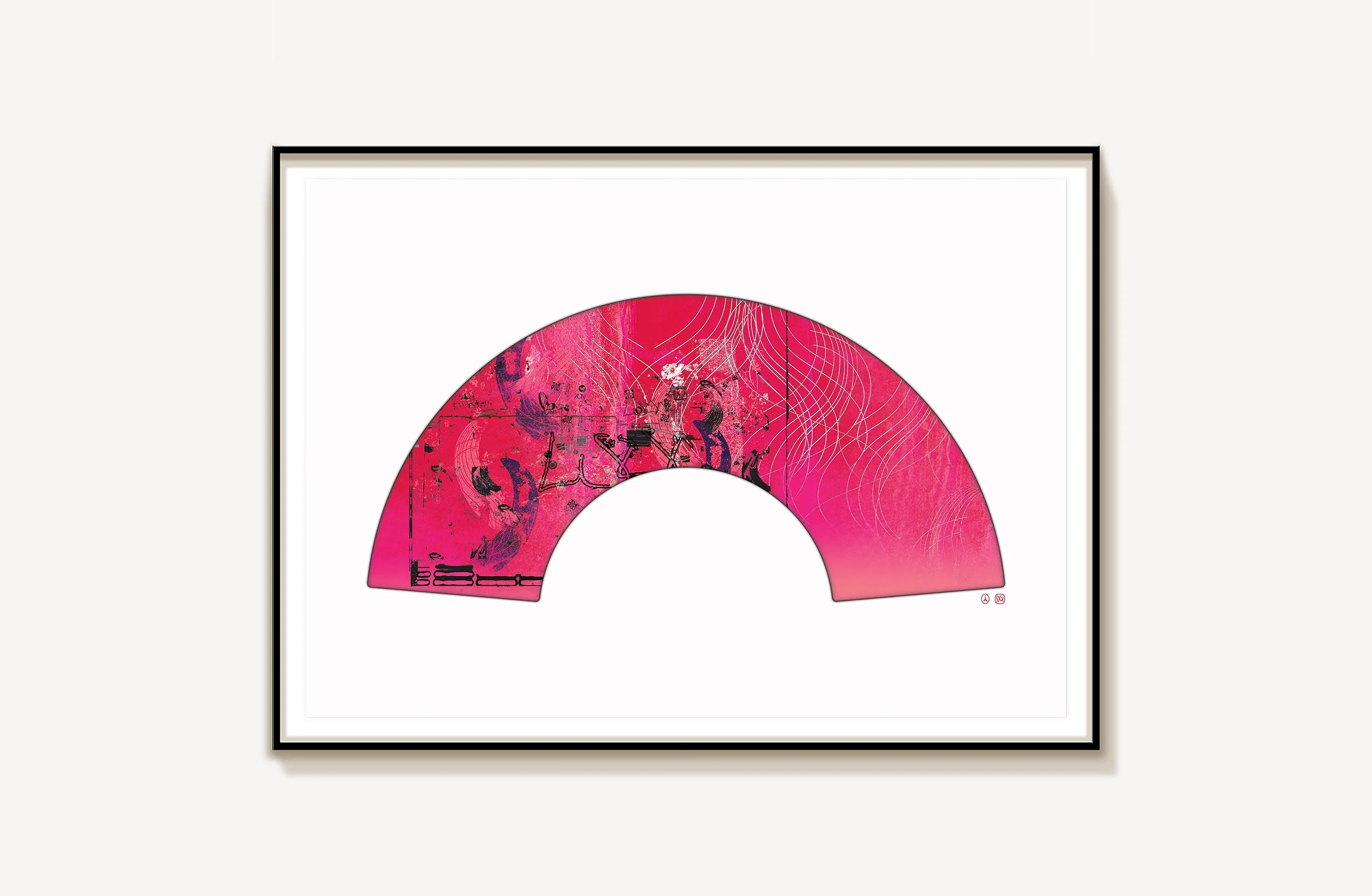
Stephen McGrath
Madame Jojo Les Graffitis Luxuriante 2026
Archival original pigment print on Japanese Awagami Unryu paper
Paper 42 × 59.4 cm